
Showing posts with label ww2. Show all posts
Showing posts with label ww2. Show all posts
Friday, 29 June 2012


Sunday, 24 June 2012

Sunday, 27 May 2012
they were expendable
 They Were Expendable is a 1945 American war film directed by John Ford and starring Robert Montgomery
  and John Wayne and featuring Donna Reed.
 The film is based on the book by William L. White, relating the story of the exploits of Motor Torpedo Boat
  Squadron Three, a PT boat
 unit defending the Philippines against Japanese invasion
 during the Battle of the Philippines .photo from
 WWII Plastic Toy Soldiers check it out its very good
 (1941–42) inWorld War II. It features the unit's commanding officer and Medal of Honor recipient Lieutenant John D. Bulkeley,
 and Lieutenant (j.g.)Robert Kelly, one of his boat skippers.
Lost Boundariesanother book by white is interesting it is also a film released in 1949. It was directed by Alfred L. Werker and stars Beatrice Pearson, Mel Ferrer (in his first starring role), and Susan Douglas Rubes.
 The film is based on the book by William Lindsay White, relating the true story of Dr. Albert Chandler Johnston, a graduate of Rush Medical College whose family passed for white while living in New Hampshire. The movie won the 1949 Cannes Film Festival award for Best Screenplay
The characters of John Brickley (Montgomery) and Rusty Ryan (Wayne) are fictionalizations of the actual subjects. Both the film and the book – which was a best seller and had excerpts published in Reader's Digest and Life– depict actions which did not occur, but were believed to be real during the war; the film is noted for its verisimilitude.A demonstration of the capabilities of PT boats is shown in Manila Bay, Philippines  in December 1941. Lt.j.g. 'Rusty' Ryan (John Wayne) becomes disgusted when his superiors refuse to see the small boats as viable naval craft and is in the process of writing his request for a transfer to destroyers when news arrives of the Japanese attack on Pearl Harbor.
in December 1941. Lt.j.g. 'Rusty' Ryan (John Wayne) becomes disgusted when his superiors refuse to see the small boats as viable naval craft and is in the process of writing his request for a transfer to destroyers when news arrives of the Japanese attack on Pearl Harbor.Ryan and Lt. John Brickley's (Robert Montgomery) demands for combat assignments for their squadron are frustrated for a time, but they are eventually allowed to show their capabilities. From there on, there are mostly 'action' scenes, with the exception of Ryan's romantic interludes with Army nurse Sandy Davyss (Donna Reed). With the mounting Japanese onslaught against the doomed American garrisons at Bataan and Corregidor, the squadron is sent to evacuate General Douglas MacArthur, his family, and a party ofVIPs.
This done, they resume their attacks against the Japanese, who gradually whittle down the squadron. As boats are lost, their crews are sent to fight as infantry. Finally, the last boat is turned over to the Army for messenger duty. Brickley, Ryan and two ensigns are airlifted out on one of the last planes because the PT boats have proved their worth and they are needed stateside to train replacement PT boat officers and crews. The remaining enlisted men, led by Chief Mulcahey, are left behind to continue the fight with remnants of the U.S. Army and Filipino guerillas.According to Ben Mankiewicz, a host of Turner Classic Movies, Ford, a well-known taskmaster, was especially hard on Wayne, who did not serve in the armed forces, during filming. When Ford had health problems, he turned to Montgomery – who had actually commanded a PT boat – to take over for him, rather than Wayne. Montgomery did so well, he was directing in his own right within a couple of years.
The film received extensive support from the Navy Department and it was shot on location on Key Biscayne, Florida,an
d the Florida Keys, since this region most closely approximated the South Pacific war zone. Actual U.S. Navy 80-foot Elco PT Boats were used throughout the filming, albeit remarked with false hull numbers that would have been in use in late 1941 and early 1942. Additional U.S. naval aircraft from nearby naval air stations were temporarily remarked and were used to simulate Japanese aircraft in the film. 
Harry Cohn, head of Columbia Pictures, accused John Wayne of taking a pass at Cohn's girlfriend and told executives at other studios that Wayne was a womanizer, troublemaker, and showed up for work drunk. Wayne never accepted another role from Columbia, even when the studio bought a script specifically for Wayne to star in years later. His breakout role came when Ford cast him in Stagecoach in 1939. From that until The Shootist in 1976 he played the lead in about 140 films. There is some dispute about his lack of service in World War II; the studio opposed his entering the service, but he did tour to appear for the troops and did some undercover work for the OSS.His favorite drink was Sauza Commemorativo Tequila, and often served it with ice that he had chipped from an iceberg during one of his voyages on his yacht, The Wild Goose.
and often served it with ice that he had chipped from an iceberg during one of his voyages on his yacht, The Wild Goose.Wayne loved sultry latins too and married some , he appears to have been no coward either even though he didnt get shot at in ww2.The evening before a shoot he was trying to get some sleep in a Las Vegas hotel. The suite directly below his was that of Frank Sinatra (never a good friend of Wayne), who was having a party. The noise kept Wayne awake, and each time he made a complaining phone call it quieted temporarily but each time eventually grew louder. Wayne at last appeared at Sinatra's door and told Frank to stop the noise. A Sinatra bodyguard of Wayne's size approached saying, Nobody talks to Mr. Sinatra that way. Wayne looked at the man, turned as though to leave, then backhanded the bodyguard, who fell to the floor, where Wayne knocked him out by crashing a chair on top of him. The party noise stopped.

Saturday, 26 May 2012

Monday, 21 May 2012
leningrad by crescent

The capture of Leningrad was one of three strategic goals in the German Operation Barbarossa and the main target of Army Group North. The strategy was motivated by Leningrad's political status as the former capital of Russia and the symbolic capital of the Russian Revolution, its military importance as a main base of the Soviet Baltic Fleet and its industrial strength, housing numerous arms factories. By 1939 the city was responsible for 11% of all Soviet industrial output.
It has been reported that Adolf Hitler was so confident of capturing Leningrad that he had the invitations to the victory celebrations to be held in the city's Hotel Astoria already printed.The ultimate fate of the city was uncertain in German plans, which ranged from renaming the city to Adolfsburg and
 making it the capital of the new Ingermanland province of the Reich in Generalplan Ost, to razing it to the ground and giving areas north of the River Neva to the FinnsFor everyone who lives in St. Petersburg the the Siege of Leningrad is a painful memory -Less than two and a half months after the Soviet Union was attacked by Nazi Germany, German troops were already approaching Leningrad. The Red Army was outflanked and on September 8 1941 the Germans had fully encircled Leningrad and the siege began. The siege lasted for a total of 900 days, from September 8 1941 until January 27 1944. The city's almost 3 million civilians (including about 400,000 children) refused to surrender and endured rapidly increasing hardships in the encircled city. Food and fuel stocks were limited to a mere 1-2 month supply, public transport was not operational and by the winter of 1941-42 there was no heating, no water supply, almost no electricity and very little food. In January 1942 in the depths of an unusually cold winter, the city's food rations reached an all time low of only 125 grams (about 1/4 of a pound) of bread per person per day. In just two months, January and February of 1942, 200,000 people died in Leningrad of cold and starvation. Despite these tragic losses and the inhuman conditions the city's war industries still continued to work and the city did not surrender
Thursday, 17 May 2012


Wednesday, 16 May 2012

Sunday, 13 May 2012
Thiais . Against the Boche

| |
|


Wednesday, 18 April 2012
french snow troops v italian ones
 The Italian invasion of France in June 1940 was a small-scale invasion that started near the end of the Battle of France during World War II. The goal of the Italian offensive was to take control of the Alps
 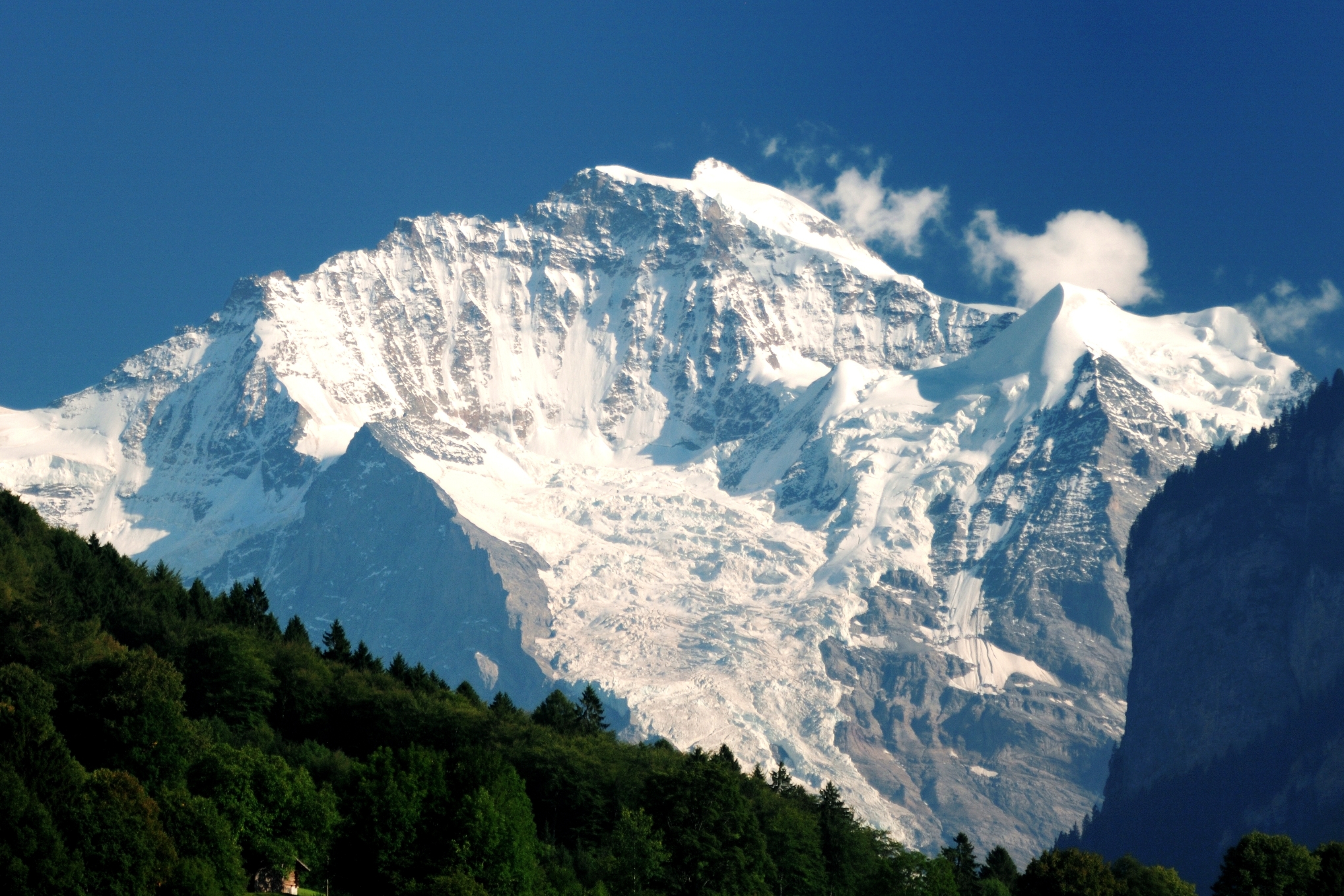 mountain range and the region around Nice, and to win the colonies in North Africa.
 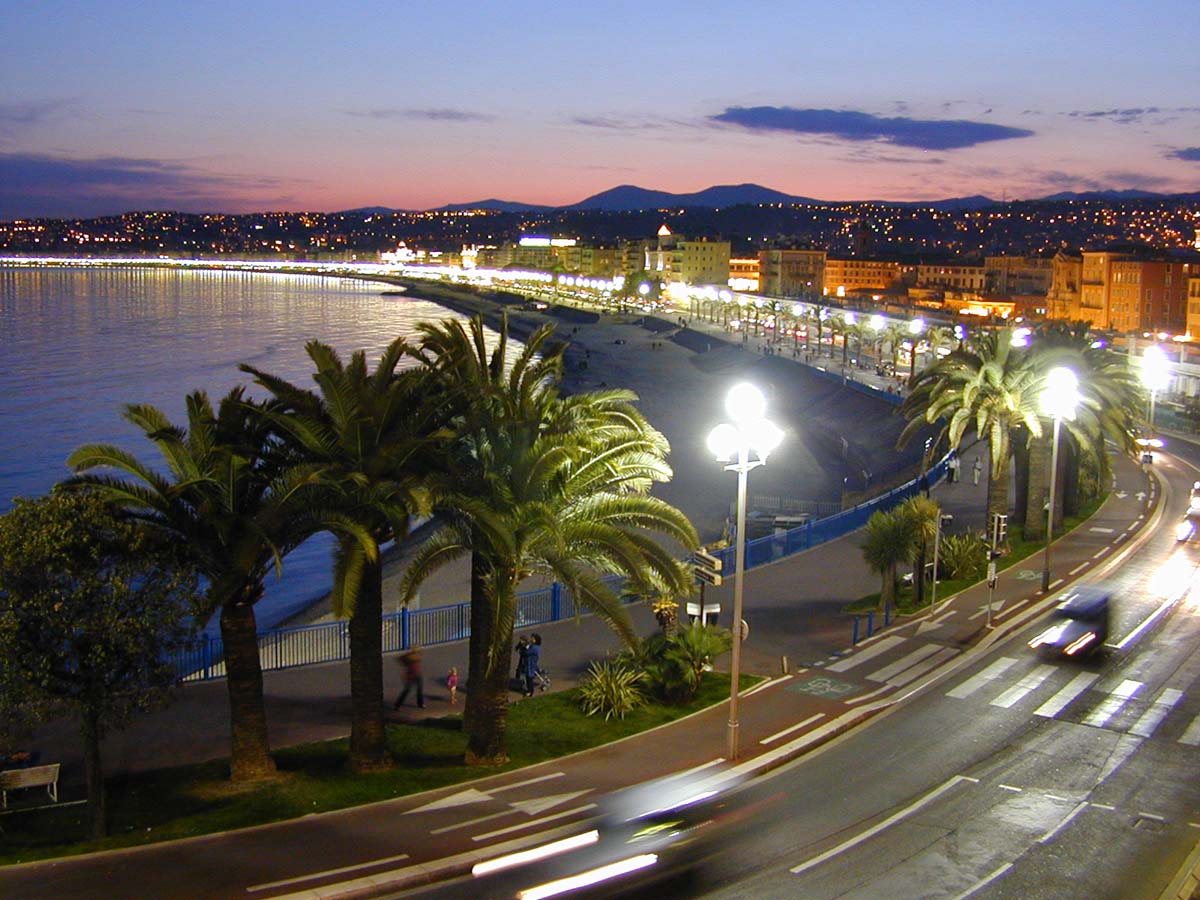 The offensive did not meet its planned goals, with the Italian forces making only limited headway
On 10 June 1940, Italy declared war on France and Britain. The French government was already fleeing to Bordeaux and Paris was an open city. Feeling that the war would soon be over, Italian dictator Benito Mussolini said to Pietro Badoglio(one of many many Italian war criminals never brought to justice),
 the Chief of Staff of the Italian Royal Army (R, "I only need a few thousand dead so that I can sit at the peace conference as a man who has fought".Mussolini had the immediate war aim of expanding the Italian colonies in North Africa by taking land from the British and French colonies.
However, Italy was not prepared for war and Italy's armed forces made little impact during the last few days of the Battle of France. Mussolini was well aware of Italy's military limitations at the time, but he still sought to profit from Germany's successes.Of Italy's declaration of war, Franklin Delano Roosevelt—President of the United States—said:

On this tenth day of June 1940, the hand that held the dagger has struck it into the back of its neighbor.

Much of June was lost as the Italian armed forces prepared for an invasion. But, even after additional time for preparations, the hastily-prepared Italian forces were not at their prime. The Royal Italian Army massed 32 divisions in two armies on the French border. The Regia Aeronautica (Italian Royal Air Force) supported the Royal Army and flew 716 missions and dropped 276 t (304 short tons) of bombs. The Regia Marina (Italian Royal Navy) did little to support the invasion.
The French armed forces were in no shape to resist the Italians. The French Army (Armée de Terre) was already defeated in the north and only a relatively small force was maintained on the border with Italy. The French Air Force (Armée de l'Air) was relocating to French North Africa by the time of the Italian declaration of war and the subsequent offensive.
The French Navy (Marine Nationale) was the only service in a position to act against the Italians. At dawn on 14 June, the French 3rd Squadron based in Toulon
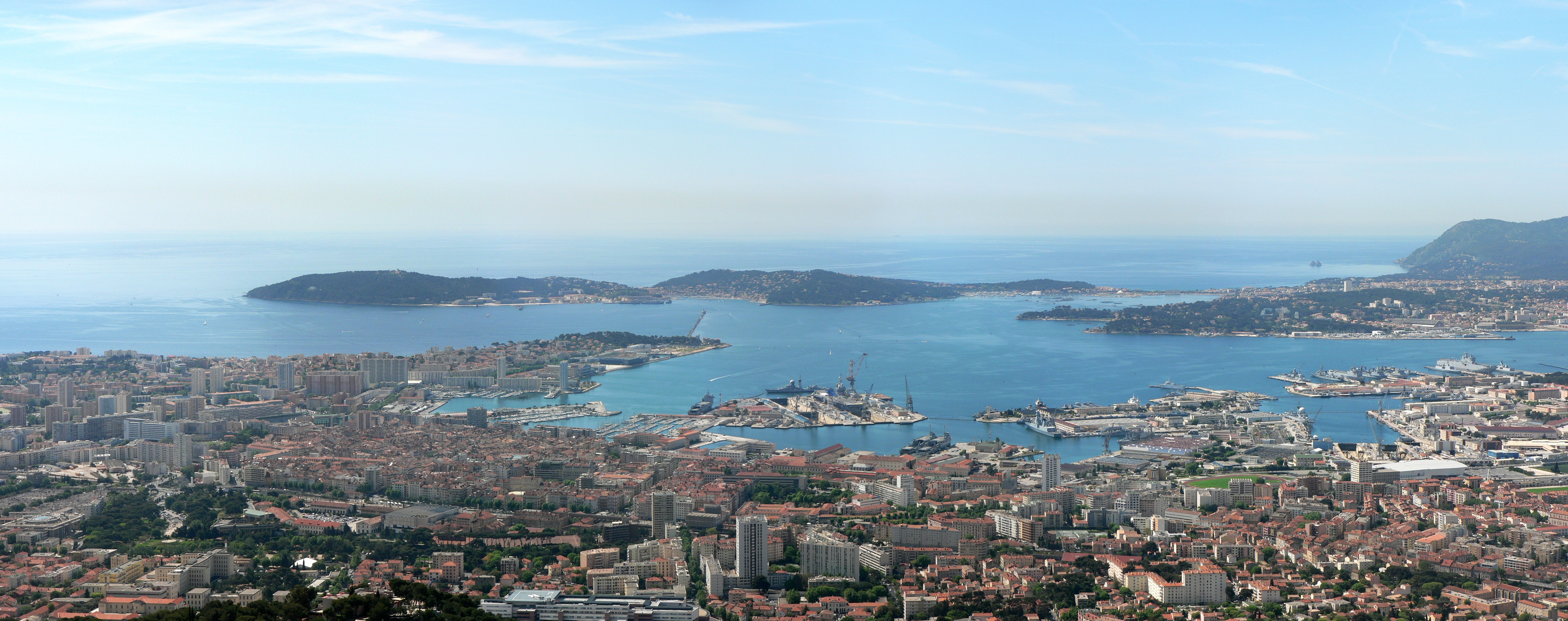 carried out an operation in Italian waters. Four heavy cruisers and 11 destroyers opened fire on the oil storage tanks and military installations on the Ligurian coast and in the port of Genoa. No Italian aircraft appeared and the coastal artillery scored only one hit. The French destroyer Albatros
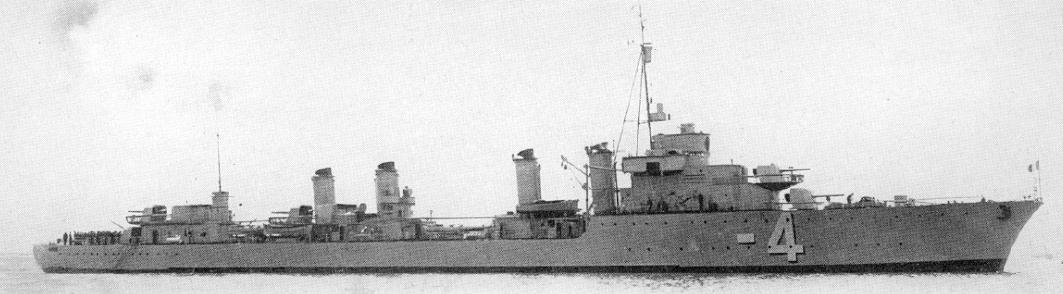 received a 155 mm (6.1 in) round on her boiler room, which killed 12 seamen.
On 16 June, the French sloop La Curieuse forced the Italian submarine Provana to surface off Oran
 and then sank it by ramming. La Curieuse also sustained heavy damage on her stem. This was the first Italian submarine to be sunk by the French Navy.
During the night of 16 June and into the morning of 17 June, Marshal Philippe Pétain proposed an armistice with the German government. On 20 June, the French government asked the Italian government for an armistice.

Battle for France. Note Italian invasion in the south.
 (as the southern portion of the fortifications that included the Maginot Line was called) in the Alps and along the Mediterranean coast. The attack through the Little Saint Bernard Pass
 in the Alps had to stop due to a massive snow storm. The Italian forces attacking through the French Riviera advanced only about 5 mi (8.0 km) and were stopped in the vicinity of the town of Menton,
  which was partially occupied by the Italian army; on the Côte d'Azur the Italian invasion was held up by a French NCO and seven men.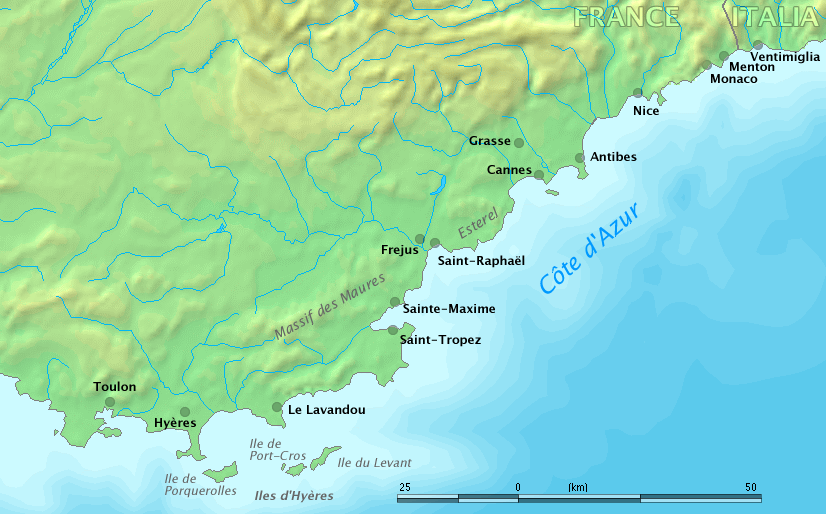
On 21 June, the French battleship Lorraine
 opened fire on the port of Bardia in Italian Libya.
 French naval aircraft also attacked Taranto
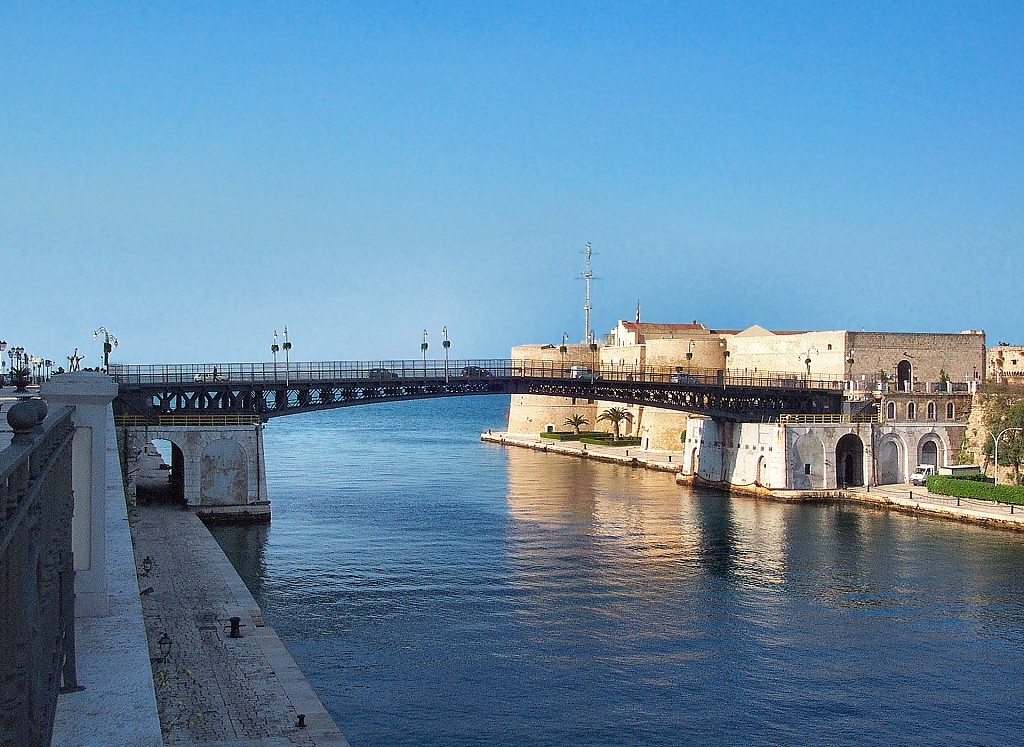 and Livorno in mainland Italy during some of the last actions of the French against the Italians.
During the invasion, Italian casualties were far greater than French casualties. Italian losses were 631 men killed, 2,361 wounded, 2,000 cases of frostbite and 616 men missing. This compares to French losses of 40 men killed, 84 wounded, and 150 men missing.
In the evening on 22 June 1940, France surrendered to Germany.
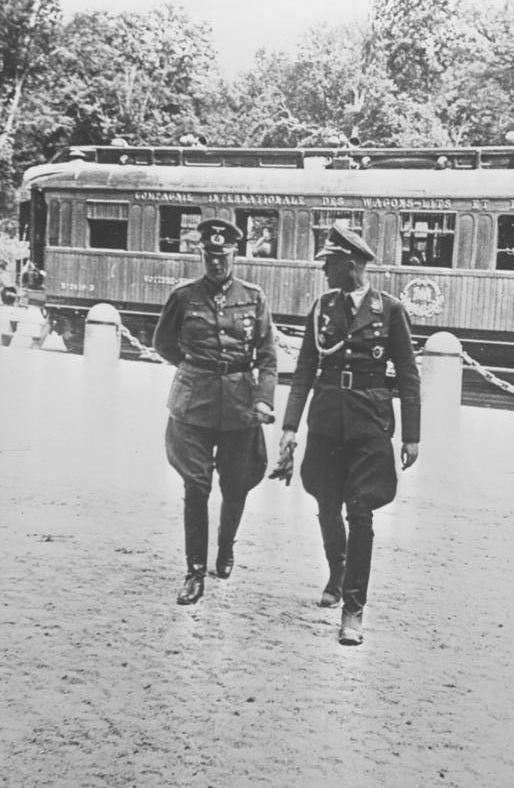
On 25 June, France and Italy signed an armistice. Galeazzo Ciano—who led the armistice delegation as Italian Minister of Foreign Affairs—reflected: "Mussolini is quite humiliated because our troops have not made a step forward."
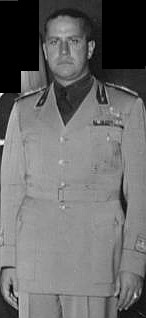 The debacle forced Mussolini to abandon his pretensions of reconstituting an Empire at French expense, and Italy dropped its claims to the Rhône Valley,
 Corsica, Tunisia, and Djibouti, settling for a modest 50 km (31 mi) demilitarized zone.With Germany′s blessing, Italy occupied Corsica and the Alpes-Maritimes,
 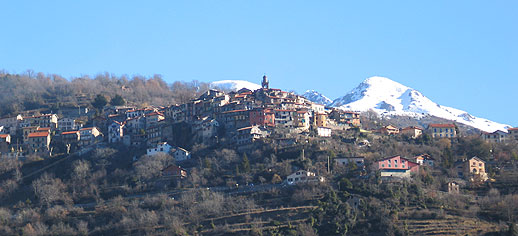 plus some areas of French territory along the Franco-Italian border further north. Nevertheless,
The strutting Italian dictator had been quickly deflated—all the more so because of the miserable showing of the Italian army against a handful of French troops.For the terms see Franco-Italian Armistice
Sunday, 25 March 2012
A time to love and a time to die
 On the Russian-German front in 1944, the German troops are in retreat, ragged and nearly frozen, with only the dead bodies that appear through the melting snow to signify that winter is almost over.
 After soldiers Ernst Graeber, bloodthirsty Steinbrenner and young Hirschland are ordered to execute Russian civilians accused of being guerrillas, Hirschland grows despondent and commits suicide.
 Moments later, Ernst learns that he has been awarded his first furlough in two years and heads home, only to discover that his beloved village has been destroyed by bombs and that his parents are among the missing. Desperate to find them, he visits his mother’s physician, Dr. Kruse, but finds only the doctor's daughter Elizabeth, who informs him that her father has been captured by the Gestapo. When an air raid siren rings out, Elizabeth at first refuses to go to the shelter,
  explaining that this is one small way she retains her personal freedom, but Ernst convinces her to join him. In the shelter, Ernst learns that many of his neighbors have died and that those that remain are crippled by grief. Later, Ernst offers Elizabeth his Army rations, but she assumes he wants to buy her companionship, and spurns him. He spends the rest of the day searching for his parents, to no avail, but meets Herman Boettcher, who is looking for his beloved two-hundred-pound wife. Boettcher invites Ernst to stay with him in the infirmary, where Reuter, a soldier suffering from gout, advises Ernst to live as if his three-week leave were the last weeks of his life. The next day, Ernst runs into old school friend Oscar Binding, now an important Nazi official with a luxurious home. After treating Ernst to fine food and wine and promising to help look for his parents, Binding brags that he imprisoned Pohlmann, a professor of theirs who gave him failing grades. Later, Ernst finds a note from Elizabeth on the community message board among the ruins, and goes to meet her. She apologizes for mistrusting him, and they manage to enjoy the day together, especially when they find a tree in bloom. By nighttime, they kiss, and later when Ernst asks Reuter where he should take Elizabeth, the officer finds him a clean uniform and reveals the secret password to gain entrance to the illicit nightclub in town. The club is gloriously decadent, and Elizabeth glows from happiness and champagne, until another air raid siren sounds. They rush to the shelter, which is quickly hit by bombs, forcing the well-dressed crowds to flee into the streets. At Elizabeth’s apartment, they see concentration camp inmates working in the street,
 but Dr. Kruse is not among them. Ernst proposes, but when he mentions his Army pay and death benefits, Elizabeth becomes upset. They fight briefly, then fall into each other's arms. The next day, as Reuter helps Ernst prepare for his wedding, Boettcher announces bitterly that although he has found his wife, she has lost one hundred pounds and no longer seems herself. At the registrar’s office, Ernst grows concerned that Elizabeth will be in danger if she identifies herself as Dr. Kruse’s daughter, and arranges to signal her if there is a problem. When the official agrees to the
  marriage, in his joy Ernst mistakenly signals to Elizabeth, who flees the building. Soon, however, the confusion is cleared up, and they are married. As they enjoy the wedding feast Binding has sent, Elizabeth mourns that, as a German, she will no longer be welcome in most of Europe. The next day, Ernst receives a package that his mother mailed to the front, and realizes that since she sent it after the evacuation, she is probably still alive. Soon after, however, he intercepts a note from the Gestapo demanding that Elizabeth meet with them. Afraid for her life, he searches for Prof. Pohlmann, who is rumored to be in hiding in the bombed-out museum. There, another bombing interrupts their conversation, and although Ernst fears that Elizabeth has been killed, they finally find each other in the street. They sleep in the museum, where Pohlmann introduces Ernst to Joseph, a Jew in hiding who agrees to help Elizabeth escape, if necessary. Shocked by Pohlmann’s continued belief in God and Joseph’s conscious decision not to despise all Germans, Ernst questions his own responsibility for the horrors of the war. The next day, he visits Binding to ask for help with the Gestapo, but there finds Heini, a concentration camp officer who brags drunkenly about his sadistic tortures. Disgusted, Ernst leaves without asking for help, and goes to the Gestapo in Elizabeth’s place. He discovers she has been called to collect the ashes of her murdered father, and that night, in the lovely, intact home Elizabeth has found for them, Ernst comforts her. After a bittersweet night, he returns to the front, where he finds the tattered remains of his company. Ernst is ordered to guard Russian civilians, but when the company has to move on, Steinbrenner prepares to kill them. Tired of the senseless bloodshed, Ernst shoots Steinbrenner and frees the prisoners. One of them, however, picks up Steinbrenner’s gun and shoots Ernst, who dies just as he is reading a letter from Elizabeth, in which she reveals that she is having their child.
Subscribe to:
Posts (Atom)