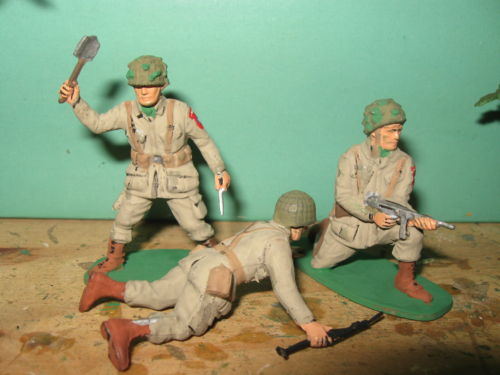
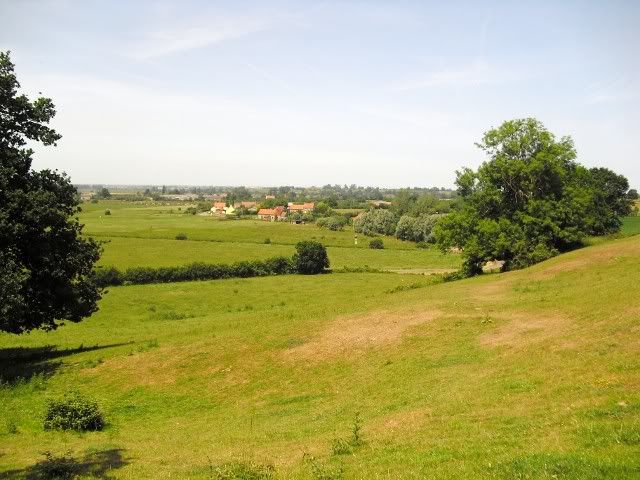
 Shortly after 2:00 am on D-Day, twelve planeloads of paratroopers from the 3rd Battalion 507th PIR were scattered throughout the marshes south of Carentan.
  They were supposed to have been dropped eighteen miles to the northwest at drop zone "T" near Amfreville, but instead they ended-up in the vicinity of the village of Graignes. Theirs was the worst miss drop of any airborne unit on June 6, 1944.
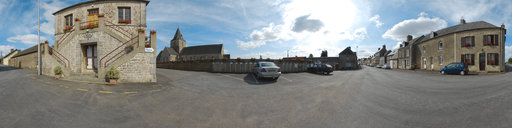
 After sunrise and seeing the 12th Century church silhouetted on high ground above the village, several small groups of these men slogged their way, into the village and were given sanctuary by the astonished villagers.
 Because the troopers were deep behind enemy lines and far from their drop zone, the decision was made to remain where they had landed and defend
  Graignes. The episode that would unfold in this obscure little village over the course of the next five days stands as one of the most dramatic and tragic of
  the entire Normandy campaign.By 10:00 am on D-Day, twenty-five paratroopers under the command of 507th Capt. Leroy D. Brummitt had gathered in the
  village. Considering what they had been through, the small group of troopers was surprisingly well armed. Two hours later, more 3rd Battalion/507th men arrived led by Major Charles D. Johnson. After discussing the situation with Capt.
  Brummitt, Major Johnson took control of the 507th men assembled in the village. He felt that, moving the force toward the American airborne units fighting to the north was an impractical idea because the 82nd and 101st Division drop zones were just too far away. He therefore decided that the best course of action would be to keep the force in Graignes and organize a defensive perimeter and await a link-up with ground forces coming across the landing beaches. Capt. Brummitt disagreed but as the ranking officer present, Johnson’s decision was final: Graignes would be defended.
he people of Graignes and surrounding farm families unanimously vote to aid the Americans and provide them with food, shelter and combat support. 
The village priest welcomes the troopers and offers the church as aid station and observation post. Two young girls risk their lives in dangerous run-ins with Germans to retrieve weapons from the swamp and transport them to the soldiers. As the Americans went to work preparing defensive positions, the village became a hive of activity. While these defenses were being prepared, Major Johnson established his Command Post at the boys’ school. In short, all routes into Graignes were covered by rifles, machine guns, mines and mortars.
The village priest welcomes the troopers and offers the church as aid station and observation post. Two young girls risk their lives in dangerous run-ins with Germans to retrieve weapons from the swamp and transport them to the soldiers. As the Americans went to work preparing defensive positions, the village became a hive of activity. While these defenses were being prepared, Major Johnson established his Command Post at the boys’ school. In short, all routes into Graignes were covered by rifles, machine guns, mines and mortars.
Eventually, 182 paratroopers (14 officers and 168 men) and hundreds of the French citizens combine to take on the Germans, fooling them into thinking a major force is in the town -Graignes had become the Alamo of Normandy.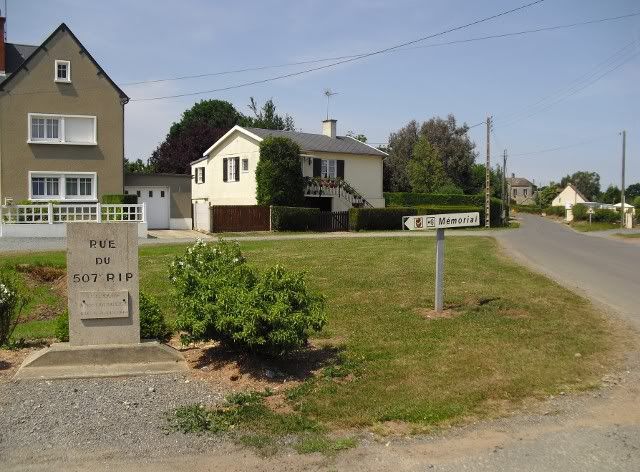 An entire SS Panzer Regiment of 2,000 soldiers of the 17th SS Goetz v. Berlichingen Division
 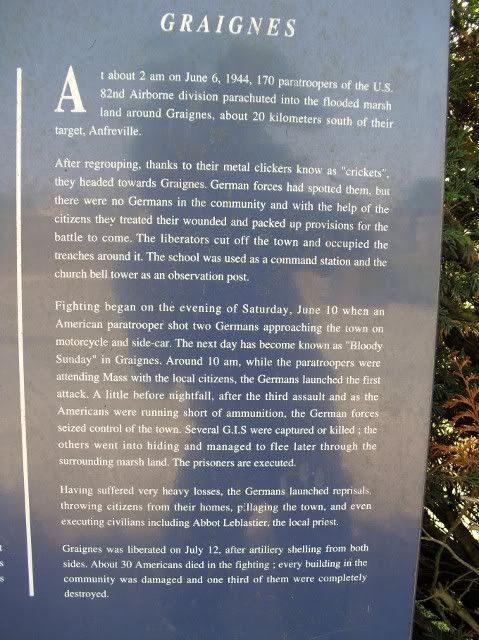 is sent to quell the troopers in Graignes. In 6 days of fighting, the Americans inflict numerous casualties on the Germans. Out of ammo and outnumbered
 10-1, the American troopers are eventually overrun by the German forces. Many soldiers live through a harrowing escape from
An entire SS Panzer Regiment of 2,000 soldiers of the 17th SS Goetz v. Berlichingen Division is sent to quell the troopers in Graignes. In 6 days of fighting, the Americans inflict numerous casualties on the Germans. Out of ammo and outnumbered 10-1, the American troopers are eventually overrun by the German forces. Many soldiers live through a harrowing escape from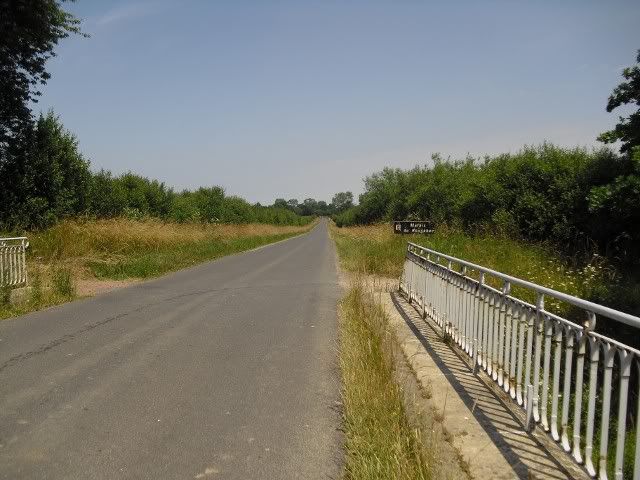 Graignes and manage to rejoin their regiments. Hoping for fair treatment as POWs based on tenets of the Geneva Convention,
 the wounded are left behind with the medical officer in the church.
n retaliation for the battle at Graignes, the SS troops drag the remaining wounded soldiers and civilians (including two priests
)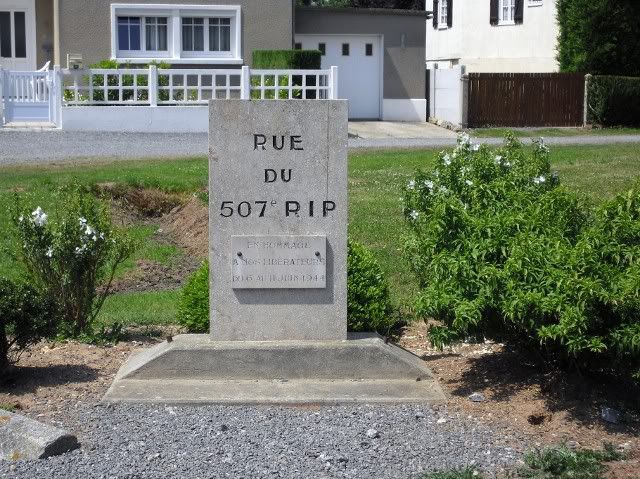 to the outskirts of the village, force them to dig pits, and then brutally shot dozens of people - their bodies unceremoniously dumped into the pits
to the outskirts of the village, force them to dig pits, and then brutally shot dozens of people - their bodies unceremoniously dumped into the pits.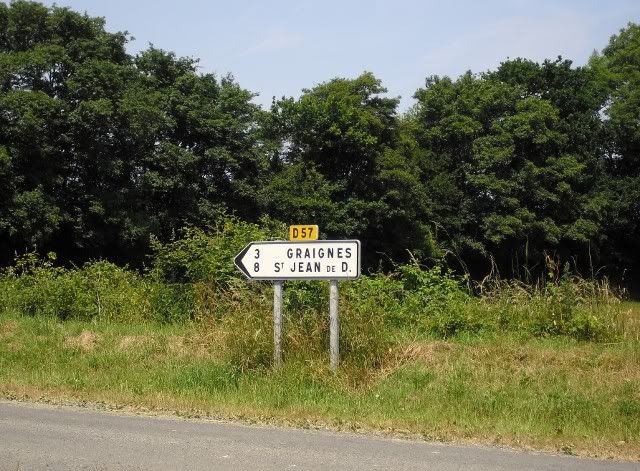 On Tuesday June 13 the Germans then destroyed the church and set fire to the village to burn it down.On June 6, 1944,
On Tuesday June 13 the Germans then destroyed the church and set fire to the village to burn it down.On June 6, 1944,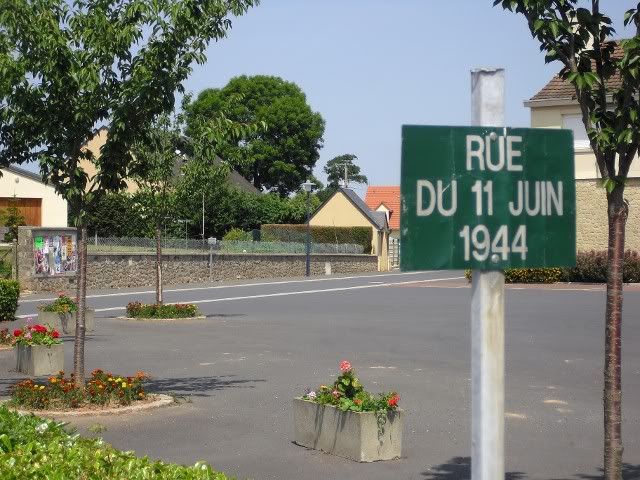 the mission of the 2nd battalion of the 501st Parachute Infantry Regiment was to take
  . In the night of June 5-6, lieutenant colonel Ballard Paratroopers jumped on the Drop Zone D in Angoville-au-Plain. The officer mustered 150 men and tried to seize the town of Les Droueries, where the Germans seemed entrenched. A medic post was settled in Angoville-au-Plain. While the Americans were kept in check in Les Droueries, the German parachutists took again Angoville-au-Plain; the town was taken and seized again several times.
 The Germans entered Vierville on June 7 in the morning. On June 8, colonel Sink, commander of the 506th PIR gave order to take back Vierville. The Americans continued their counter-attack, and overcame the German defenders in Angoville-au-Plain; in the afternoon colonel Sink transfered his headquarters in the town.
This 11th Century Norman church still holds services today, and stands as a symbol of man’s humanity in the midst of one of man’s greatest horrors - war. Eighty men and one child found refuge in this church during those tumultuous day, and evidence of their suffering is still present today in the blood stained pews and bullet marks about the church. After 65 years the church remains virtually unchanged as it did during those monumental days.


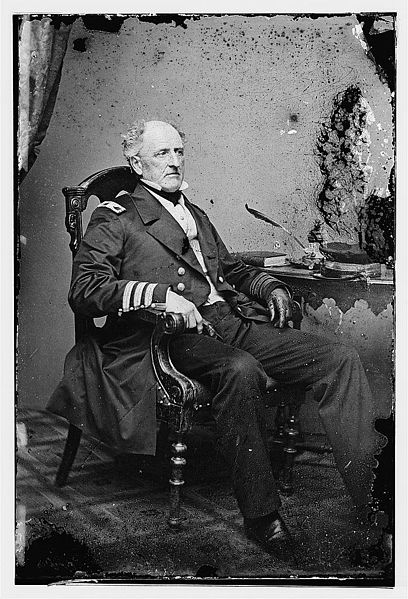

 This was followed by a reduction of the Confederate fleet to a single vessel, ironclad CSS Tennessee.
  Tennessee did not then retire, but engaged the entire Northern fleet. The armor on Tennessee gave her an advantage that enabled her to inflict more injury than she received, but she could not overcome the imbalance in numbers

yGO(LjBO+t3EDRBg~~60_12.JPG)


)OE+hVBP!FnwW6Qw~~60_12.JPG)
 County, Tennessee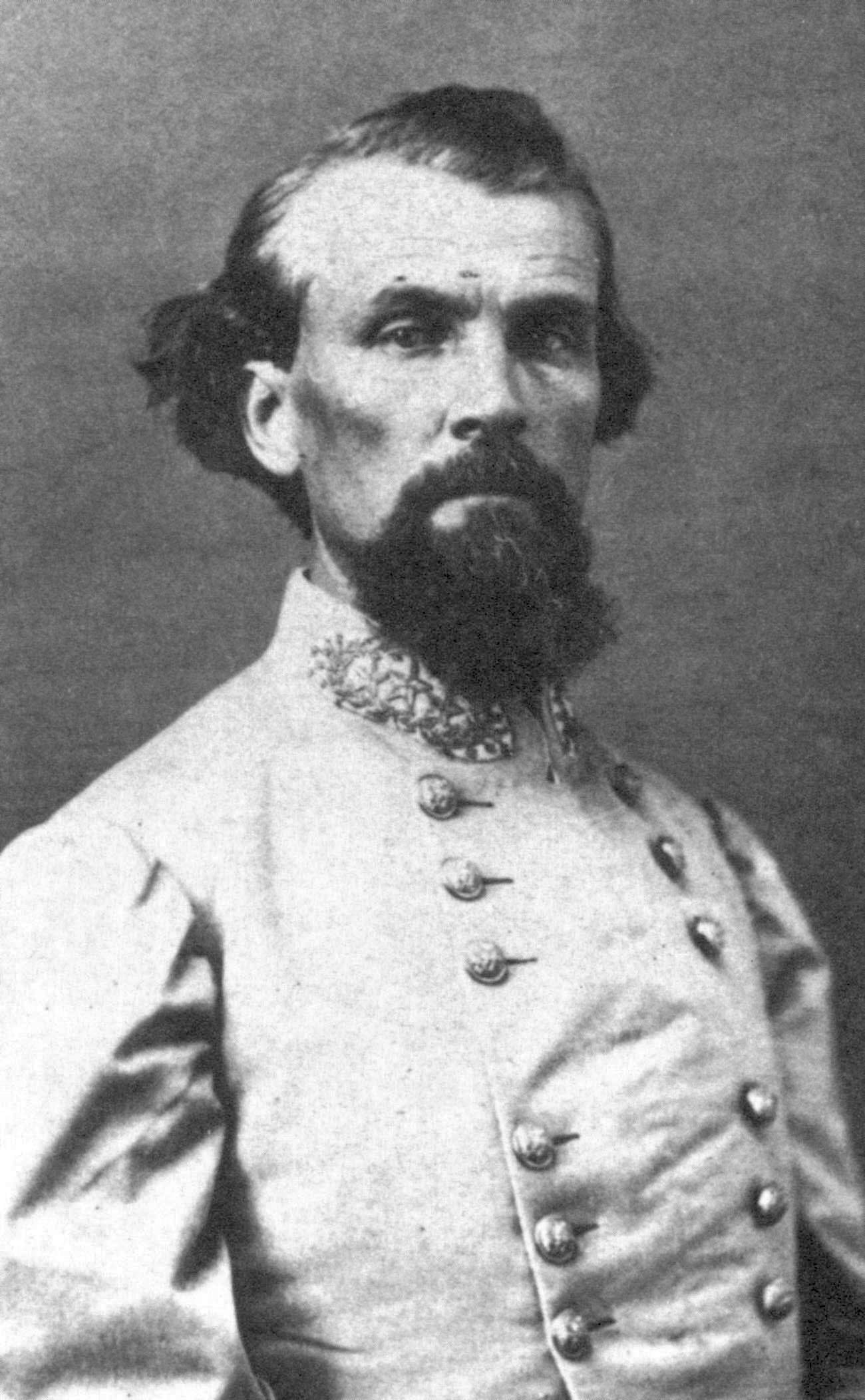



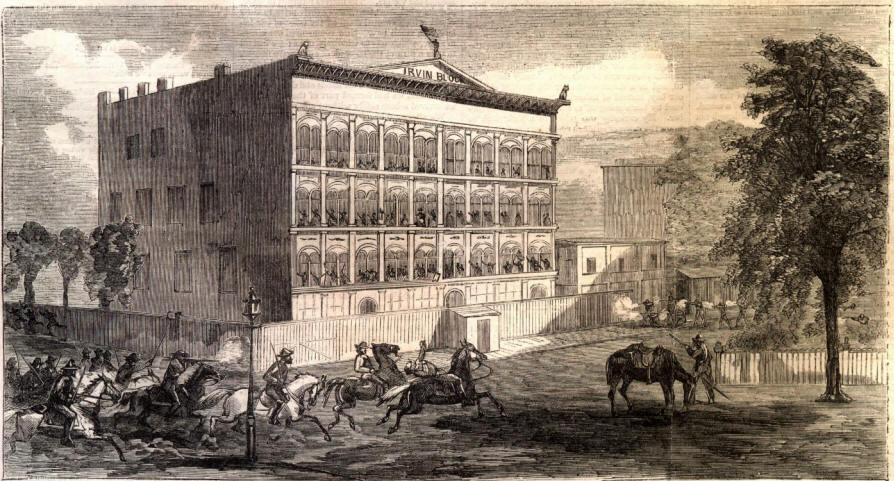
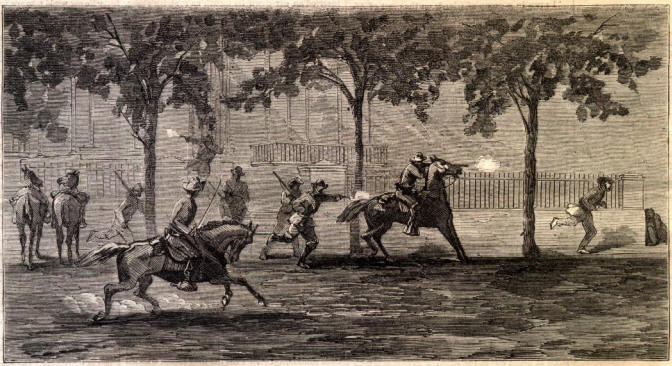
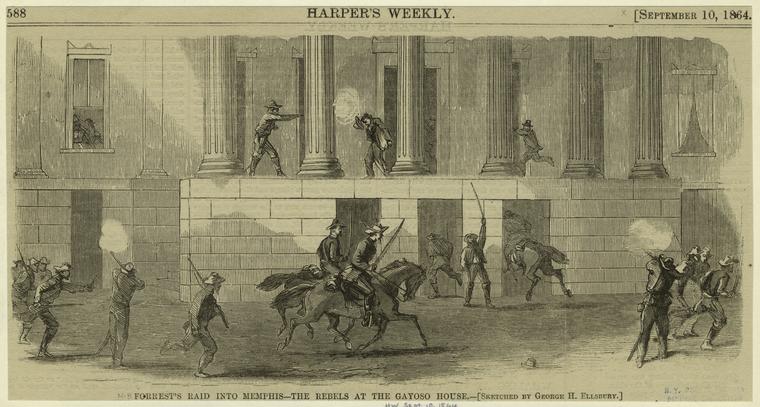
 missions. One union general was not at his quarters. Another, General Cadwallader C. Washburn escaped to Fort Pickering dressed in his night-shirt.
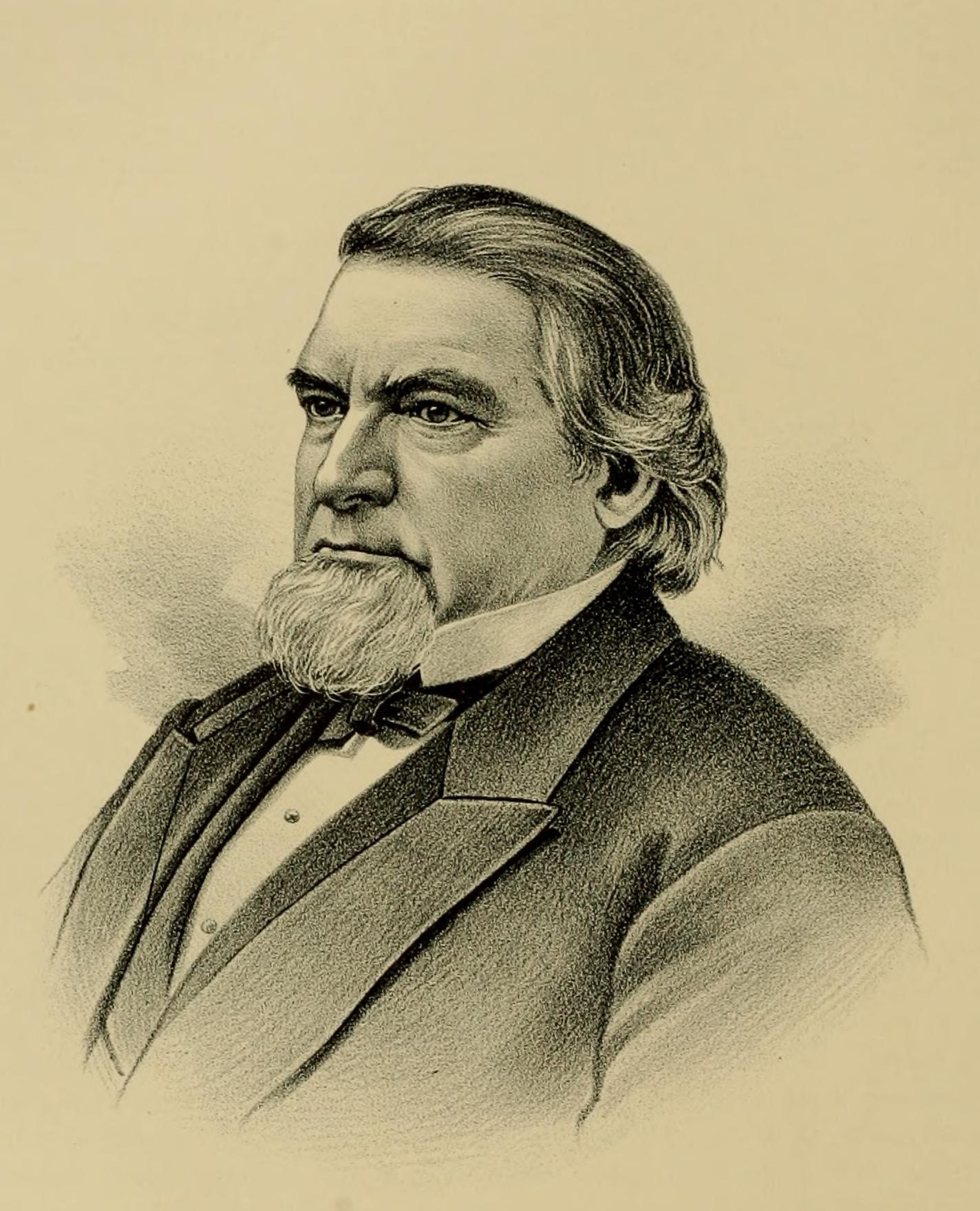 Forrest took Washburn's uniform, but later returned it under a flag of truce.According to Memphis legend, Confederate cavalrymen rode into
 the lobby of the luxurious