
 British Expeditionary Force (BEF) was in heavy retreat and planned evacuations from Calais, Boulogne and Dunkirk.
  In the event, the speed of the German advance meant that only Dunkirk was a realistic evacuation point. However, Calais and Boulogne needed to be defended in order to delay the German advance and give the BEF time to evacuate.
On 22 May, elements of the 20th Guards Brigade arrived at Boulogne from training camps in Surrey, just in time to defend against the huge firepower of the 2nd Panzer Division until the following evening, when the order was given to evacuate all troops onto Royal Navy warships. Around 300 Welsh Guards remained, holding out for another 36 hours until they ran out of ammunition and surrendered.

That same day, 23 May, Calais was attacked by the 1st and 10th Panzer divisions. Handicapped by contradictory orders and facing massively superior forces, the British troops nevertheless succeeded in holding off the German advance.
By the next day, British troops in Calais had been joined by some French and Belgian volunteers. Although supported by the Navy and RAF, they remained hopelessly outnumbered and outgunned. Both sides sustained heavy casualties and by the night of 26 May, Brigadier Nicholson, Commander of the Calais Garrison, was running out of men.
The Germans advanced through Calais, slowly taking the Allied strongholds and capturing the few remaining men. However, the four-day defence of Calais had helped to give the Allies essential time to start their evacuation from Dunkirk


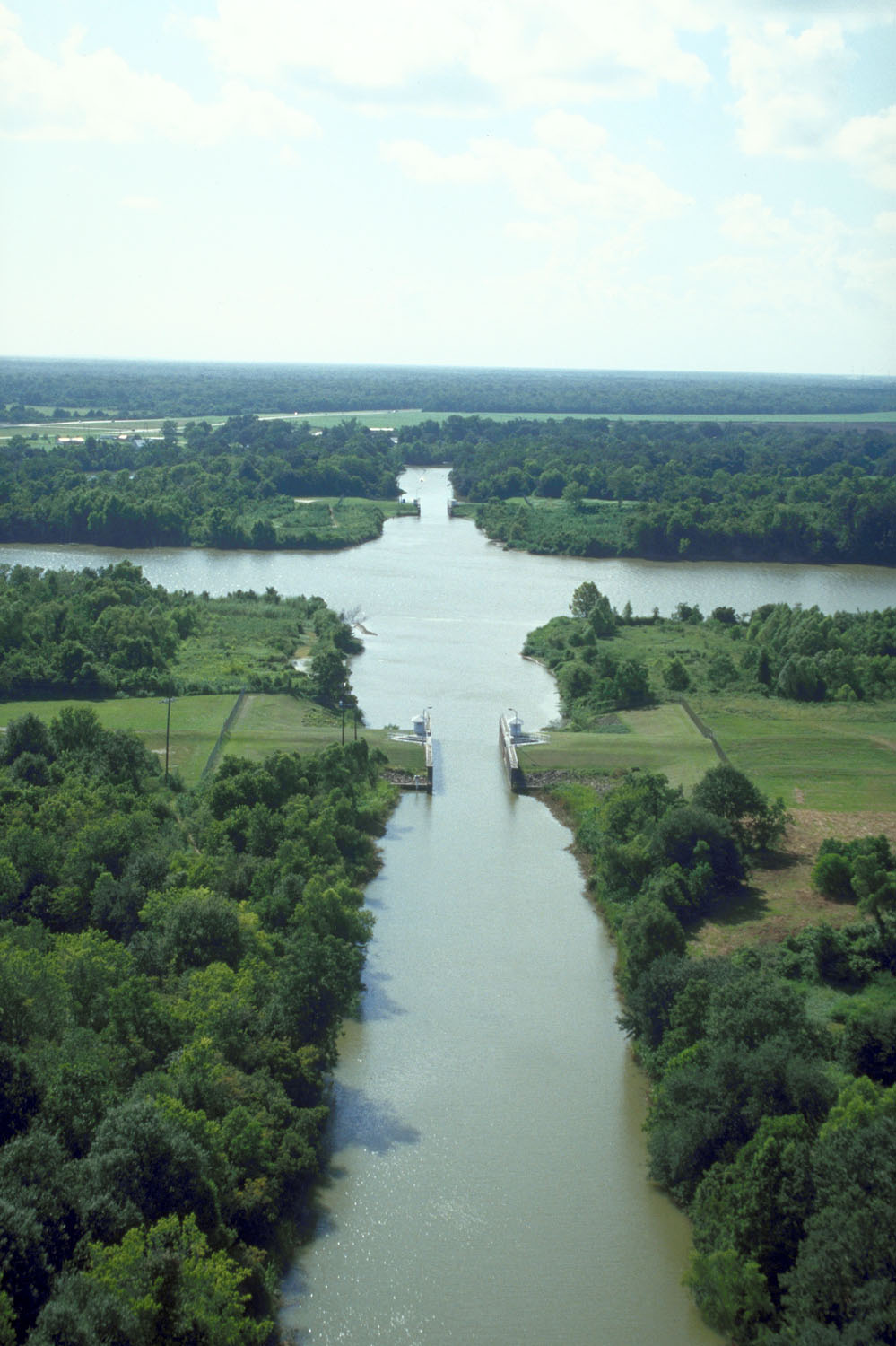 e river gains its name from the red-bed country of its watershed. It is one of several rivers with that name.
 "The Mexicans and Indians on the borders of Mexico are in the habit of calling any river, the waters
 the second largest river basin in the southern Great Plains.
 It rises in two branches (forks) in the Texas Panhandle and flows east, where it acts as the border between
  the states of Texas and Oklahoma.
 It is a short border between Texas and
 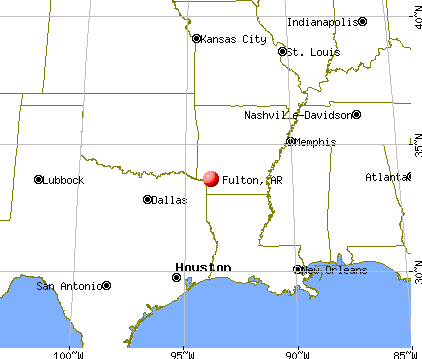 Arkansas and flowing into Louisiana.
 _02.jpg) The total length of the river is 1,360 miles (2,190 km), with a mean flow of over 57,000 cubic feet per second (1,600 m3/s) at the mouth.
The total length of the river is 1,360 miles (2,190 km), with a mean flow of over 57,000 cubic feet per second (1,600 m3/s) at the mouth.

![[image]](http://i53.tinypic.com/25i0inp.jpg)
![[image]](http://i51.tinypic.com/2h879jd.jpg)


![[image]](http://i56.tinypic.com/2cgo237.jpg)




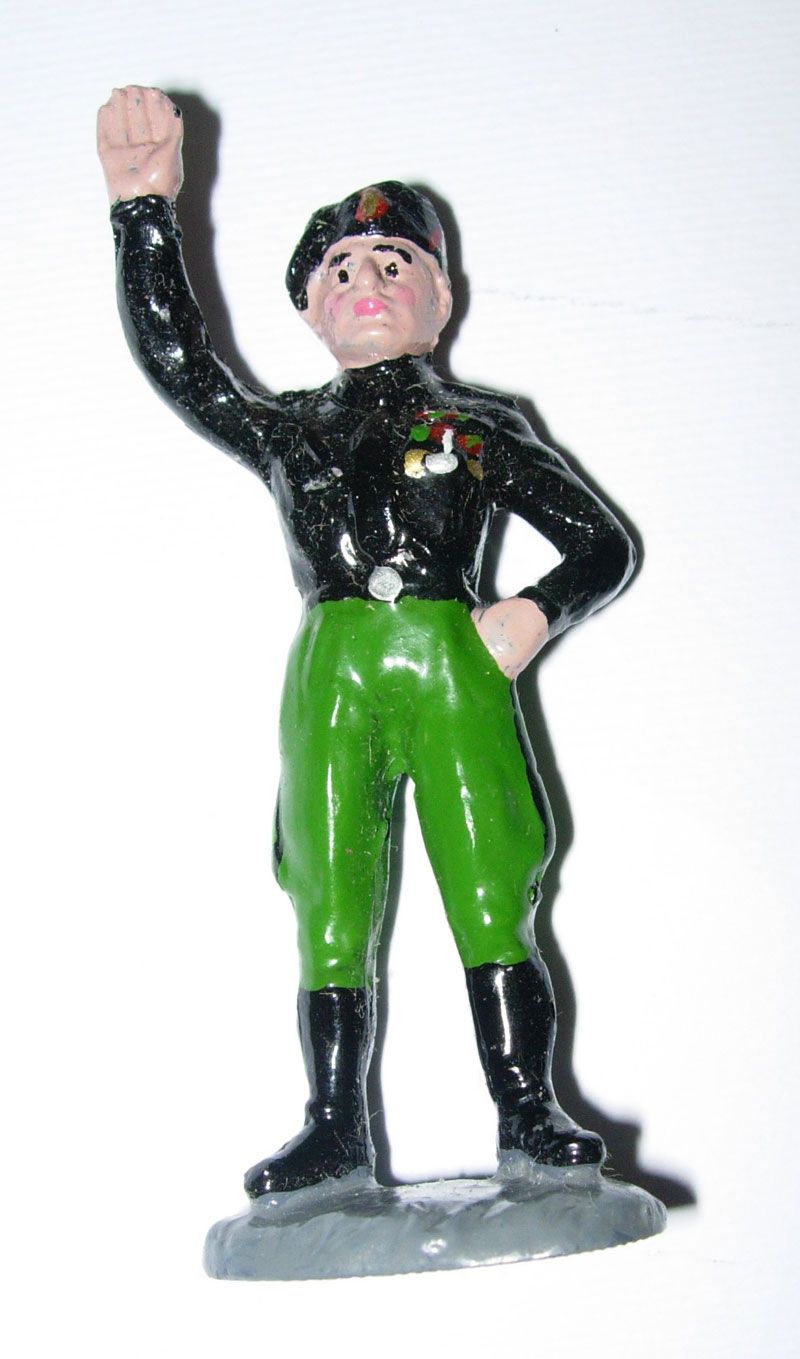 of Greece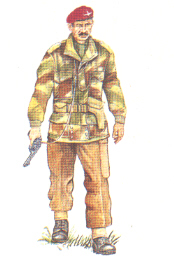


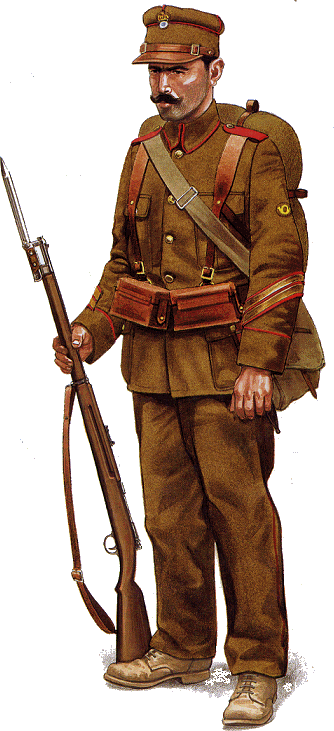
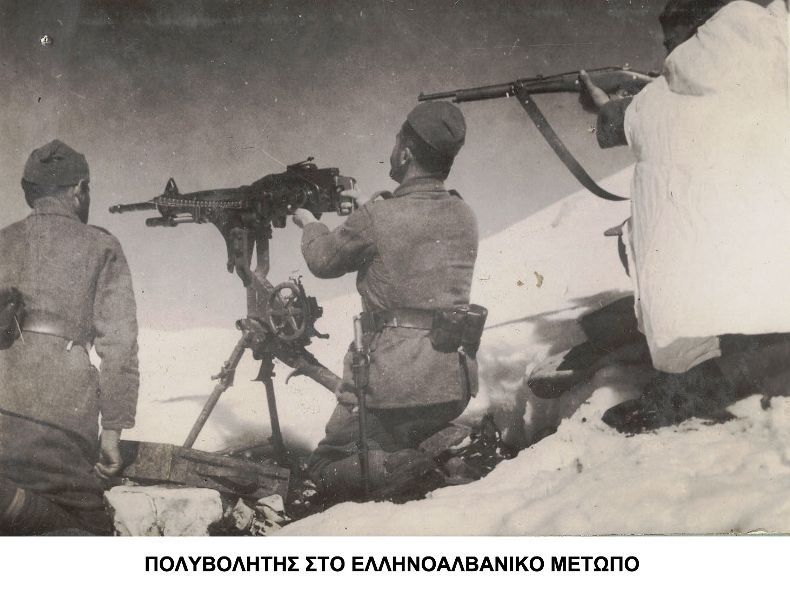 country's economy was ruined.
 occupying powers, fought against the collaborationist Security Battalions and set up large espionage networks, but by late 1943 began to fight amongst themselves. When liberation came in October 1944, Greece was in a state of extreme political
  polarization, which soon led to the outbreak of civil war. The subsequent civil war gave the opportunity to many prominent Nazi collaborators not only to escape
  punishment (because of their anti-communism), but to eventually become the ruling class of postwar Greece, after the communist defeat